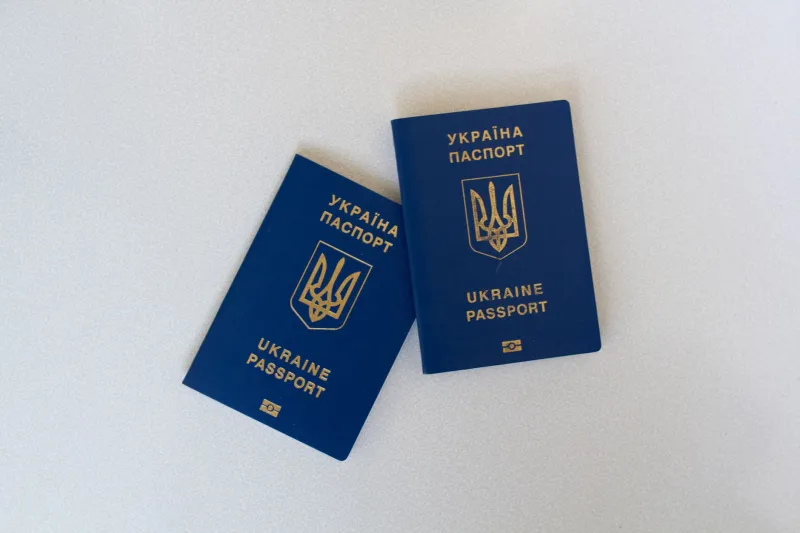
The Back Room Revival: Starting a Bulgarian Meet-Up in Your UK Town
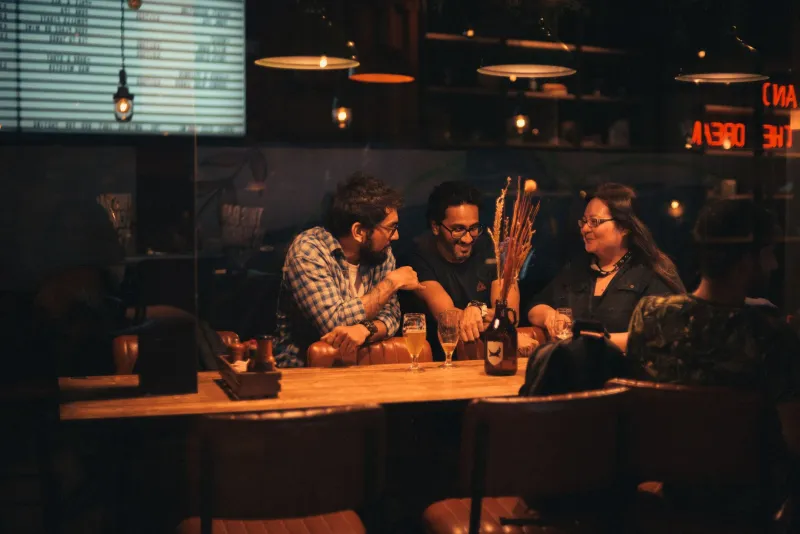
There’s a particular kind of magic in a pub back room on a wet Tuesday in Britain. Someone has brought a tub of banitsa. Someone else is trying to explain the difference between Bulgarian and Turkish coffee to a curious bartender. A child is teaching a grandparent how to use a QR code. Nobody has printed a mission statement. Nobody is wearing a lanyard. It’s just people, gathered for a reason.
That’s the whole idea behind starting a Bulgarian community meet-up where you live. You don’t need a formal organisation, a bank account or a five-year plan. You need a room, a reason to gather and a handful of people who are willing to turn up. The rest tends to grow from there.
Start with a reason, not a rulebook
The most common mistake is trying to build something that looks official before it feels useful. A meet-up can begin as a coffee morning, a language swap, a cookery exchange or simply a monthly chance to speak Bulgarian without explaining yourself. The reason should be specific enough to attract people but broad enough to include different ages and backgrounds.
Ask yourself: what is missing locally? Is it a place for new arrivals to ask practical questions about schools and GP surgeries? A weekend gathering for families who want their children to hear more Bulgarian? A low-key social night for students and professionals? Or a chance for older residents to share stories and recipes? You can combine a few of these, but a clear anchor helps people understand what they are coming to.
Find a room that fits your budget and your vibe
You do not need a dedicated centre. In most UK towns, there are several affordable options worth investigating:
- Pub function rooms — often free or low-cost on quieter nights, though you may be expected to buy drinks.
- Community centres and village halls — usually have hourly rates, kitchen access and accessible toilets.
- Library meeting rooms — good for daytime gatherings and quieter activities.
- Church halls — not just for religious groups; many hire space to community organisations.
- Cafés and restaurants — some will let you use a corner on a quiet evening if you agree on a minimum spend.
- Outdoor spaces — parks, picnic spots and community gardens work well in summer and cost nothing.
Visit in person before you book. Check parking, public transport, step-free access, noise levels and whether there is a kitchen. A room that looks fine online can turn out to have terrible acoustics or a caretaker who locks up at 8pm sharp.
The boring bits: insurance, safety and money
This is the part people dread, but it does not have to be complicated. For a small, regular gathering, you may not need a formal constituted group. However, if you are hiring a venue, the venue will often ask for public liability insurance. Some community buildings include cover for casual hirers; others do not. Ask the venue what their policy covers and what they expect from you.
If you are handling food, keep it simple. A bring-and-share table works well, but ask people to label ingredients and keep hot food hot and cold food cold. For a first event, pre-packed snacks and drinks are easiest. If you plan to sell food or alcohol, check the venue’s rules and any licensing requirements before you advertise.
Money can stay informal at the start. A small donations jar to cover room hire is usually enough. If you need to collect money in advance, use a simple booking page and be transparent about costs. Keep a basic record of what comes in and what goes out, even if it is just a notebook. Trust is easier to build when the finances are boring and visible.
Spread the word without spending a fortune
You do not need a marketing budget. You need to be findable and repeatable. Start with the places where local Bulgarians already gather online: Facebook groups, WhatsApp chats, Instagram stories and community noticeboards. Ask Bulgarian shops, bakeries and restaurants if you can leave a small flyer. Put a notice in the local library and community centre. Mention it to your children’s school if appropriate, but avoid turning a school run into a recruitment drive.
Use plain language in your promotion. Say what the meet-up is, who it is for, when it happens and whether children are welcome. Include the venue’s accessibility details and whether there is a charge. A simple poster with a friendly photo and a QR code to a booking form is often more effective than a long description.
It also helps to name a contact person. People are more likely to come if they know there is a real human behind the event. A first name and a phone number or email address can make the difference between curiosity and turning up.
Design a first event that does the hard work for you
The first gathering should be easy to run and easy to leave. A two-hour window is usually enough. Here are a few low-cost formats that work well:
- Coffee and questions — a relaxed drop-in for new arrivals, with a few long-settled residents on hand to answer practical questions about life in Britain.
- Bring-and-share tasting table — everyone brings a small dish from home. Label dishes with names and allergens. Provide plates, napkins and a bin.
- Kids’ craft afternoon — martenitsa making in spring, ornament decorating in winter, or simple Bulgarian folk songs with a volunteer leading.
- Book and film swap — bring a Bulgarian book, DVD or children’s book to lend or swap. A short film screening can follow if the venue has a screen.
- Walk and talk — a local park or canal walk, followed by coffee. No room hire, no setup, no pressure.
At the start, welcome people, explain the plan for the next hour and introduce yourself. At the end, thank everyone and say when the next one might be. Do not worry if only five people come. Five people in a back room is a community. The next one might have twelve.
Balance heritage with local life
A good meet-up does not have to choose between Bulgarian culture and British surroundings. The strongest gatherings make room for both. You might celebrate Baba Marta in March, organise a summer picnic in the local park and mark Christmas with a shared table. You might also invite a local librarian to talk about children’s reading groups or arrange a walk to a nearby market.
That balance matters for families who want their children to feel connected to Bulgarian roots without feeling like the odd ones out at school. It also matters for people who have been in Britain for decades and do not want to be treated as permanent newcomers. A meet-up works best when it is not a performance of identity but a place to be comfortable.
A simple first-event checklist
- Choose a reason and a name for the meet-up.
- Find a venue and confirm the cost, access and insurance arrangements.
- Set a date and time that gives people at least two weeks’ notice.
- Create a simple flyer and a booking link or contact email.
- Share it in local Bulgarian groups and community noticeboards.
- Prepare a short welcome and a loose plan for the first hour.
- Bring a sign-in sheet, a donations jar and a few name stickers.
- Ask one or two people to help with setup and pack-down.
- Take a few photos only with permission.
- Thank everyone and announce the next date before they leave.
Starting a meet-up is less about building an institution and more about holding a door open. You do not need to know everything about insurance or event management. You need to be willing to book a room, put up a poster and say hello. The rest is just people, gathered for a reason.