Beyond the Weekday Classroom: Heritage Language Learning for Bulgarian Children in the UK
For a child growing up in Britain with Bulgarian parents, language can be a strange thing. They may understand everything said at the dinner table but answer in English. They may read Cyrillic slowly, or not at all. They may feel completely Bulgarian at home and completely British at school. Bulgarian supplementary schools exist to bridge that gap, but they are not a magic fix. They are community projects, run by teachers and parents who are often doing several jobs at once.
In 2026, demand for heritage language learning is steady, especially in London, Birmingham, Manchester and other cities with settled Bulgarian communities. Some schools have waiting lists. Others are small enough that a new family can join straight away. The quality varies, the fees vary, and the experience varies. What does not vary is the reason parents keep signing up: they want their children to have a choice about their identity when they are older.
What Bulgarian supplementary schools actually do
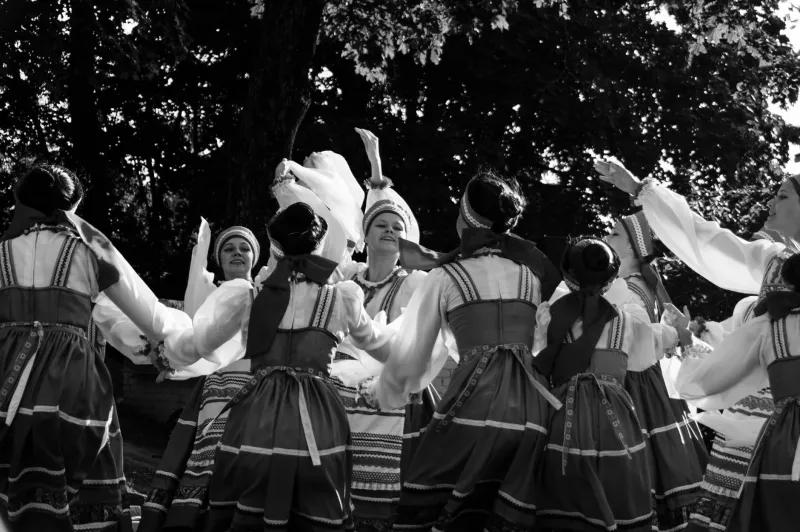
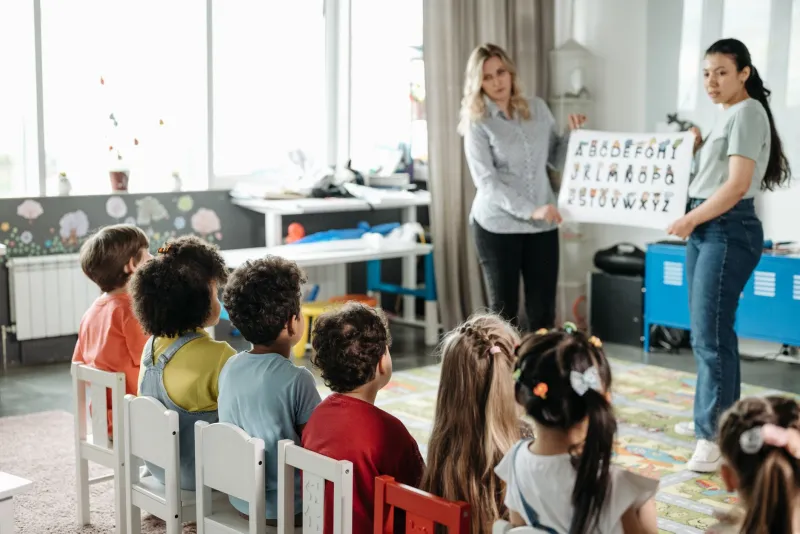
Most Saturday schools focus on Bulgarian language and literature, but the best ones do more than worksheets. A typical programme might include reading and writing in Cyrillic, speaking and listening practice, Bulgarian history and geography, songs, folk dances and preparation for visits to Bulgaria or Bulgarian national exams. Some schools also run art sessions, Christmas and March 3 celebrations, and summer picnics.
The teaching is not meant to replace British school. It is meant to sit alongside it. Children who already read in English often transfer those skills to Bulgarian quickly, especially if they have a strong spoken foundation at home. Children who arrive in the UK as teenagers may need a different approach, often a beginner class alongside much younger pupils. Good schools assess this honestly rather than pretending one curriculum fits everyone.
A typical Saturday, more or less
Most schools run for two to three hours on Saturday morning. A common pattern is arrival and registration at 9:30am, two or three lessons with a snack break, and a finish around midday. Some schools add folk dancing or music in the final hour. Parents often stay for the first session, then drift to a nearby café or use the time for shopping. In smaller schools, the parent group becomes a support network in its own right.
The atmosphere can be lively and chaotic. Children arrive speaking a mix of Bulgarian and English. Some are confident readers; some are embarrassed to speak. Teachers often say the first month is about building confidence rather than correcting every mistake. By December, many children are singing songs they did not know in September and using Bulgarian words they would not have chosen at home.
What it costs, and why waiting lists exist
Fees in 2026 typically range from about £10 to £25 per session, or roughly £100 to £300 per term, depending on the city and the school's costs. Some schools are run as charities and ask for voluntary contributions. Others charge a deposit to hold a place. Materials, exam fees and trips are usually extra. Sibling discounts are common but not universal.
Waiting lists are most likely in popular London schools and in areas where the Bulgarian community is large but the number of volunteer teachers is small. If you are moving to the UK or expecting a place in September, ask early. Sibling priority exists at many schools, so mention if you already have a child enrolled. Do not assume a place will be available just because you have filled in an online form; follow up with a phone call or a message.
How to find a school near you
Start with the Bulgarian community groups on Facebook and ask for recommendations in your city. Word of mouth is still the most reliable directory. Check noticeboards in Bulgarian shops, restaurants and churches. The Bulgarian Embassy and cultural organisations sometimes keep lists of supplementary schools, though these lists are not always up to date. University Bulgarian societies may know about local Saturday classes, especially in cities with a large student population.
When you find a school, ask whether you can visit before enrolling. A good school will welcome this. Ask about teacher qualifications, safeguarding policies, class sizes and the language mix in each group. If your child is older and does not read Cyrillic, ask whether there is a beginner stream. If your child has additional needs, ask how the school supports them; smaller settings can be flexible, but they may not have specialist training.
The honest bit: advice from parents and teachers
The most common piece of advice from parents is not to treat Saturday school as a punishment. If a child is exhausted from the British school week, forcing them into three hours of Bulgarian grammar on Saturday morning can backfire. Many families find that a shorter, consistent routine at home works better: Bulgarian cartoons, bedtime stories, video calls with grandparents and a relaxed attempt to read a menu or a sign.
Teachers often say that children who hear Bulgarian regularly at home progress fastest, even if they answer in English. The goal is not perfect grammar. It is confidence. A child who is willing to speak Bulgarian to a grandparent, order food in Sofia or read a simple text is already winning. Parents also warn against comparing siblings. One child may love Saturday school; another may tolerate it. Both responses are normal.
Another honest point: the social side matters as much as the lessons. For many children, Saturday school is the only place where they are not the only Bulgarian in the room. That feeling is worth a lot. It can also be the reason they keep going when the grammar gets boring.
Questions worth asking before you enrol
Ask how often the school reviews progress, whether there is homework and how much. Ask what happens if a child misses several weeks. Ask about the ratio of Bulgarian to English in the classroom, especially for beginners. Ask whether the school prepares children for Bulgarian exams or simply for everyday language. Ask about the parent community: is there a WhatsApp group, a coffee rota, a way to raise concerns? Finally, ask yourself what you actually want from the experience. If the answer is 'a child who feels at home in two languages', you are probably in the right place.