Ask the Room: Turning a British Pub Night into a Bulgarian Quiz Everyone Can Play
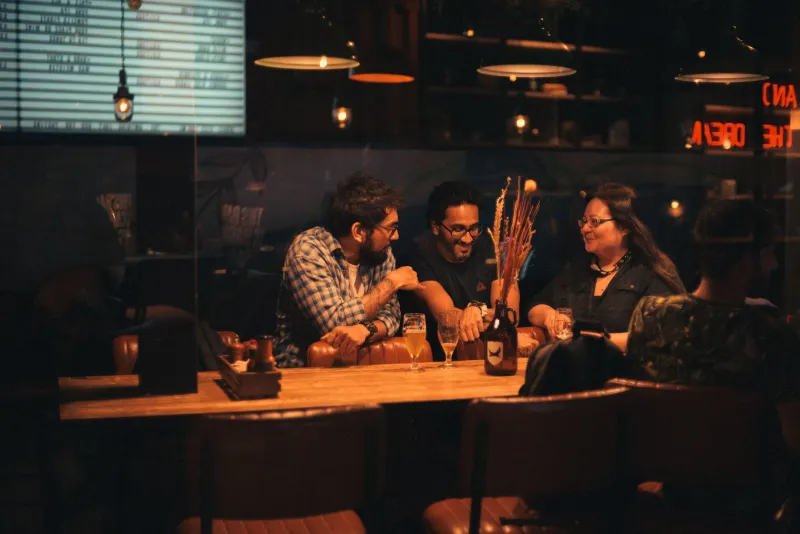
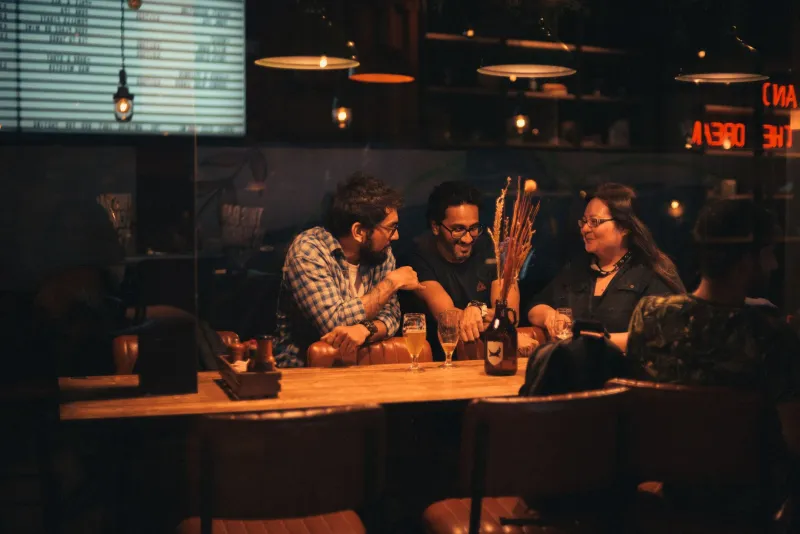
The British pub quiz is a wonderfully stubborn institution. It survives bad microphones, questionable nachos and the one team that takes it far too seriously. That makes it the perfect shell for a Bulgarian-themed night: familiar enough that everyone knows what to do, flexible enough to hold a few surprises. The aim is not to turn your local into a Balkan exam hall. It is to get Bulgarians and Brits around the same tables, laughing at the same wrong answers.
Start With the Room, Not the Questions
Before you write a single question about yogurt or folk costumes, think about who will actually turn up. A Bulgarian quiz night in a UK pub usually draws three groups: Bulgarian families and friends, British neighbours or colleagues who are curious, and people with mixed heritage who know a bit of both. Mixed teams are the secret weapon. If every table has at least one Bulgarian speaker and one person who knows their British general knowledge, the night stays lively rather than cliquey.
That means questions should reward broad curiosity, not obscure expertise. A round on Bulgarian geography can ask which city sits near the Black Sea, not which village holds the best lyutenitsa festival. The history round can include figures and events that connect to wider European history, so British players have a fighting chance. The language round should be playful: matching phrases, guessing meanings, spotting false friends. Nobody should feel stupid for not knowing the Cyrillic alphabet.
Pick a Pub That Wants a Quiet-ish Wednesday
Timing matters more than you might think. Friday and Saturday nights are loud, expensive and often already booked. A Tuesday, Wednesday or Thursday evening gives you space, a landlord who is pleased to see midweek trade, and a crowd that is not shouting over a football screen. Ask about the back room, the function space or even a corner with decent lighting. You need tables, chairs, pens and a microphone that works. You do not need a stage.
Agree a start and finish time and stick to them. Two hours is plenty: six rounds, a break, prizes and a bit of chatter. Confirm whether the pub wants food ordered in advance, whether children are allowed until a certain hour, and whether you can bring your own quiz sheets and pens. If the venue has a projector, use it for pictures. If not, print large-format images for the picture round. Always bring spare pens. Always.
Six Rounds That Mix Laughs With Learning
A good quiz has rhythm. Start easy, get sillier, then finish with a round everyone can argue about. Here is a structure that works for mixed Bulgarian and British teams:
- Geography and places — Bulgarian cities, rivers, mountains and seaside towns. Add one or two questions about UK places with Bulgarian connections, such as twin towns or streets named after Balkan figures, if you can find them.
- Food and shopping — ingredients, dishes and supermarket shelf mysteries. Ask what sirene is, what a jar of lutenitsa is usually eaten with, or which Bulgarian biscuit is most likely to appear in a UK care package.
- Language corner — match Bulgarian words to English meanings, guess whether a phrase is a greeting or a complaint, and include a gentle section on Cyrillic letters that look familiar but are not.
- History and heritage — keep it broad. Think the First and Second Bulgarian Empires, the National Revival, and modern dates that connect to Europe and the UK. Avoid turning it into a university lecture.
- Music and film — play short clips if you can. Bulgarian folk music, a famous film theme, a pop song, a brass band. Ask teams to name the genre or the mood rather than the exact artist every time.
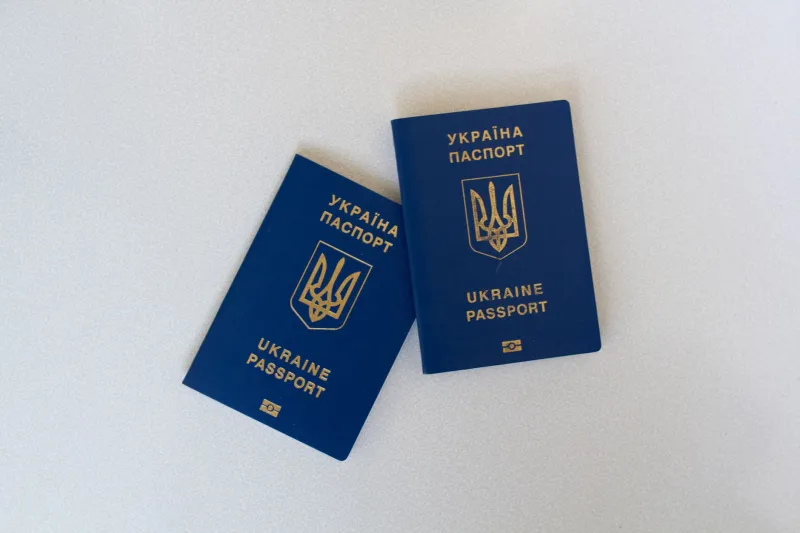
- Wildcard: British-Bulgarian life — questions about Bulgarian communities in the UK, famous Bulgarians who have lived here, or practical things like what a Bulgarian ID number is called. Keep the tone light and include a few deliberately funny options.
The Language Trap: Clues in Both Directions
Language is where quiz nights can accidentally become exclusive. The simplest fix is to write every question in English, then offer Bulgarian translations on a separate answer sheet or read them aloud if you are comfortable. Avoid questions that depend on a pun in only one language. If you use a Bulgarian phrase, explain what it means in the question itself. For example: 'In Bulgarian, what does the word 'blagodarya' mean — hello, thank you, or goodbye?' That is a question everyone can answer, even if they have never spoken a word of Bulgarian.
Be careful with transliteration. Bulgarian names and words can be spelled several ways in Latin letters. Choose one system, put it on the answer sheet, and do not penalise teams for a reasonable variation. If you have a Bulgarian speaker on the microphone, ask them to read Cyrillic words slowly. If you do not, record the pronunciation in advance or use a simple phonetic guide.
Prizes With a Bulgarian Twist (That Don't Break the Budget)
Forget elaborate trophies. The best prizes are useful, edible or slightly ridiculous. A small hamper of Bulgarian snacks — banitsa from a local bakery, a jar of lutenitsa, a packet of halva, a bottle of Bulgarian wine or rakia for the adults — goes down well. A 'mystery jar' with a Bulgarian label and no explanation is good for a laugh. Book tokens, cinema vouchers and pub vouchers are always welcome, especially for British players who may not know what to do with a jar of pickled peppers.
Have a wooden spoon for the last team, but make it a friendly one. A small bag of sweets or a packet of biscuits tied with red and white thread is a nice nod to martenitsa without turning the night into a craft session. If children are present, add a separate children's quiz sheet with drawing and matching activities. It keeps the next generation involved without making the main quiz too easy.
From One Night to a Community Fundraiser
Once the format works, it can become a recurring night — monthly, seasonal or tied to Bulgarian holidays such as March celebrations or Christmas. That is when it can quietly become a fundraiser. Choose a local cause, a Bulgarian community group, a heritage language school or a charity that helps new arrivals. Keep the entry fee modest, run a raffle, and ask local Bulgarian businesses if they can donate a prize or a voucher.
Do not overcomplicate the money side. A clear entry fee, a raffle table and a collection tin are enough. Tell people where the money is going and share a short update afterwards. If you are raising funds for a specific project, say so on the night. People are more generous when they can see the point.
Keep It Friendly, Keep It Coming Back
The success of a Bulgarian quiz night is not measured by how many questions people get right. It is measured by whether the British team at table four learns something new, whether the Bulgarian grandmother at table two gets to explain a word to a stranger, and whether the landlord asks you to come back. Keep the questions varied, the language welcoming and the prizes practical. The rest is just pens, paper and a room willing to have a go.