Sharp Blades, Shared Bottles: Trifon Zarezan on a British Allotment
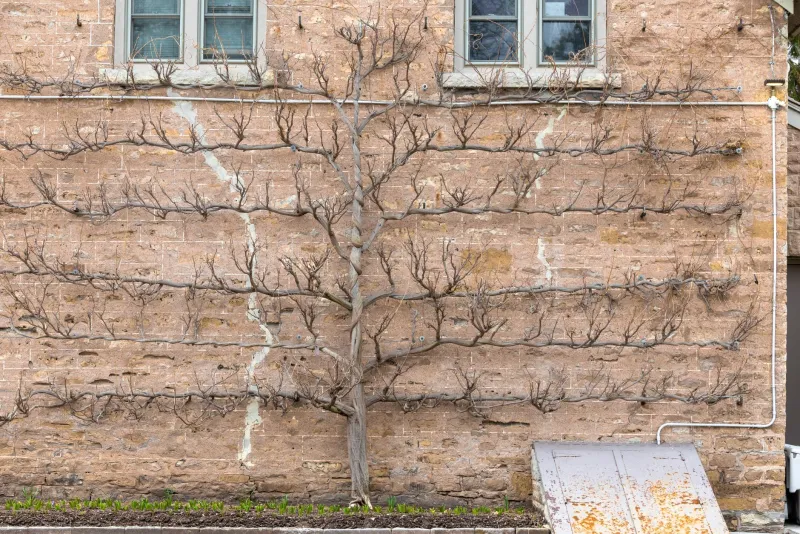
In Bulgaria, the first day of February belongs to the vine growers. Trifon Zarezan — the day of the vine pruner — is when families head out to the vineyard, cut the first canes, pour a little wine on the roots and settle in for food, company and a fair amount of ceremony. If your ‘vineyard’ is a half-plot in Leeds, a sunny wall in Bristol or a pot by the back door in Glasgow, the ritual still works. It just needs a British translation.
Why the day travels well
The bones of Trifon Zarezan are simple: prune, bless, share. You don’t need acreage. You don’t need a cellar. You need a vine — or the hope of one — and a few people willing to stand around in coats for half an hour. In Bulgaria the day often involves a chosen ‘king of the vines’, a crown of twigs, a blessing for the coming season and a table that groans a bit. On a UK allotment, that translates neatly into a thermos, a folding chair and a neighbour who has never heard of the holiday but is happy to learn.
The timing helps. Early February is when many British gardeners start thinking about winter pruning anyway. The plot is quiet, the ground is cold and the year still feels unwritten. Marking Trifon Zarezan gives that odd, in-between week a bit of purpose.
What actually happens at the vine
Traditionally, the vine pruner cuts a few canes and offers a blessing for a good harvest. Wine is poured over the vine — a splash for the roots, a splash for luck — and the company shares food and drink. In some villages a ‘tsar’ is chosen, crowned with a wreath of vine twigs and treated royally for the day. It is part practical gardening, part community theatre.
You can keep as much or as little of that as you like. The important bit is the gesture: you are cutting back the old wood so the new growth has room. You are acknowledging that the vine has been asleep and is about to wake up. And you are doing it with other people, which is usually better than doing it alone in the drizzle.
Your allotment version
Start with the practicalities. Check your plot rules before you bring a bottle — some allotment sites are relaxed, others have opinions. Keep the gathering short. A winter plot is not a beer garden, and nobody wants to stand around while the feeling leaves their fingers.
Pruning itself is straightforward if you keep your nerve. Use sharp bypass secateurs, make clean cuts and take off dead, damaged or crossing wood first. Grapes fruit best on new growth, so winter pruning is about tidying the framework and encouraging fresh shoots. If you are not sure how hard to cut, cut less rather than more. A vine can recover from a timid prune; it struggles with a butchered one. Avoid pruning when there is a hard frost forecast or when the wood is wet and slippery. A dry, mild February day is ideal.
If you have inherited a neglected vine, don’t try to fix everything in one go. Cut out the obvious dead wood, open up the tangle a little and leave the rest for next year. Trifon Zarezan is not a deadline. It is a start.
Grape varieties that don’t mind a British summer
If you are planting rather than pruning, choose with the UK climate in mind. ‘Boskoop Glory’ is a reliable outdoor black grape for many gardeners. ‘Black Hamburg’ does well under glass. ‘Seyval Blanc’, ‘Solaris’, ‘Rondo’ and ‘Regent’ are worth asking about if you fancy a wine-making experiment, though a British summer will always have the final say. ‘Pinot Noir Précoce’ is another one to look up if you are feeling ambitious. Talk to a good nursery rather than trusting the label on a supermarket vine — and remember that a sunny wall, good drainage and patience matter more than the variety name on the tag.
Food, drink and the non-drinker’s glass
The table is where the day becomes a proper gathering. Bring something that travels well: banitsa, a loaf of bread, cheese, olives, a tub of something warm. If you have vine leaves in the freezer, this is a fine excuse. The wine can be Bulgarian if you have a local deli that stocks it, or a British bottle if that is easier. The point is sharing, not showing off.
Not everyone drinks, and that is fine. Grape juice in a small glass works just as well for the toast. Alcohol-free wine, a flask of tea or hot chocolate all count. Children can have juice and the job of pouring the ‘blessing’ over the roots — a small watering can is less messy than a glass. The ritual is about marking the season, not about emptying a bottle.
Inviting the neighbours
British neighbours are often warmer than they let on, but they like to know what they are being invited to. Keep it simple: ‘It’s a Bulgarian spring thing for gardeners. We’re pruning the vine and sharing a drink. Fancy coming down for twenty minutes?’ That is usually enough. If you want to explain more, say it is a day for vine growers, a bit like a gardening saint’s day with snacks.
You don’t need a speech. A small handwritten sign, a few plastic cups and a clear invitation to bring a mug will do more than a formal ceremony. If your plot has a committee, mention it in advance. If your neighbours have an allotment too, ask them to bring their secateurs and make it a shared pruning lesson. Most people are happy to learn a new excuse to stand outside in February.
Children, cold hands and a short attention span
Children tend to enjoy the theatre of the day if it is kept short. Give them a job: holding the twine, carrying the juice, crowning the ‘king’ with a paper wreath, drawing a sign for the vine. A cardboard vine they can ‘prune’ with safety scissors keeps smaller ones busy while the real cutting happens. Hot chocolate is not traditional, but it is effective.
Keep the whole thing to about forty-five minutes. The point is a memory, not a endurance test. If they wander off to look at the compost heap, that is fine. They will remember the year they poured grape juice on the roots and got to wear a twig crown.
A closing thought
Trifon Zarezan is not really about perfect horticulture. It is about marking the turn from winter to spring with a few people around you. A sharp pair of secateurs, a shared bottle, a neighbour who now knows what the holiday means — that is a decent British version of the day. Your vine might be small, your plot might be windy and your wine might be from the corner shop. None of that matters. The vine gets pruned, the glass gets raised and the season begins.