The Shoebox Goes Digital: A Family Archive Weekend for Bulgarian Homes in Britain
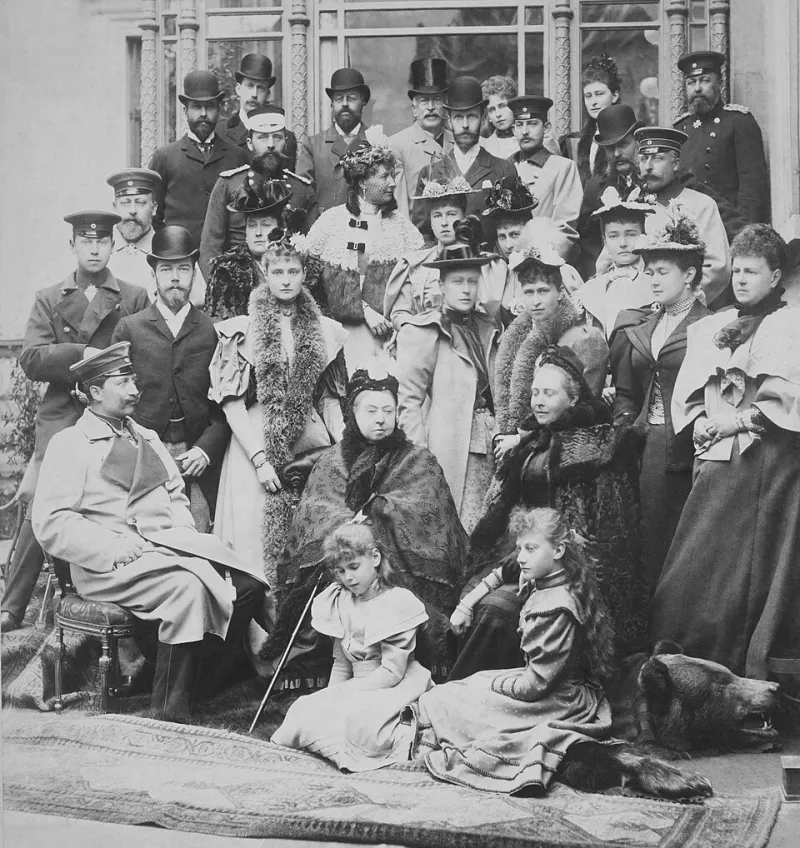
Photo: Eduard Uhlenhuth, Public domain, via Wikimedia Commons
Most Bulgarian households in Britain have one. A shoebox, a battered suitcase, a plastic bag from a Sofia shop, all stuffed with photographs that nobody has looked at properly since the last family wedding. Some are curled at the edges. Some have dates scribbled on the back in blue biro. A few show people nobody can quite name any more. As 2026 draws to a close and another year of family catch-ups rolls around, it is worth asking a simple question: what happens to those pictures when the people who can explain them are no longer around to do it?
This is not about turning yourself into a professional archivist. It is about making a start while the stories are still within reach. A weekend, a smartphone and a few willing relatives can achieve more than you might think.
Start with an honest inventory
Before you scan anything, empty one box at a time and make a rough list. Not a beautiful list. A spreadsheet will do. Note what you have: loose photographs, albums, letters, birth certificates, school reports, cassettes, maybe a few framed portraits wrapped in newspaper. Give each group a simple ID, such as BOX-01 or ALBUM-SOFIA-02.
Resist the urge to reorganise everything immediately. Old albums often carry their own clues in the order they were assembled. If a photograph is stuck to an album page, leave it there for now and photograph the whole page. If there is writing on the back, capture that too. The scribbles are often more valuable than the image itself.
Ask relatives in Bulgaria whether they have matching boxes. A quick video call while you both hold up photographs to the camera can be surprisingly effective. You are not trying to build a national museum. You are trying to stop the drift.
Your phone is probably enough, if you treat it like a scanner
You do not need expensive equipment to begin. A modern phone, a window with soft daylight and a bit of patience will handle most family photographs. Avoid direct sunshine, which creates glare on glossy prints, and avoid the flash. Place the photo flat on a dark, non-reflective surface. Hold the phone parallel to the picture, not at an angle, and use a scanning app such as Google PhotoScan or Microsoft Lens if you want help with straightening and cropping.
For loose photographs, a flatbed scanner still gives the cleanest result. Check whether your local library or a nearby photo shop has one you can use. Scan at 300 to 600 dpi for photographs; higher if the image is small or you plan to print it large. Save as TIFF if you want a master copy, or high-quality JPEG if storage is tight. Scan both sides when there is writing, a studio stamp or a date.
Name files in a way that will still make sense in ten years. Something like 1972_Pernik_wedding_baba-Maria_001.jpg is not glamorous, but it beats IMG_4832.jpg. Add the place, approximate year, event and names if you know them. If you do not know, write unknown and move on. Perfect metadata is the enemy of actually finishing.
The interview is the archive
A photograph without a story is just a nice rectangle. The most important part of this project is not the scanning. It is the recording.
When you next speak to an older relative, ask if you can record a short conversation. Use your phone’s voice memo app, or ask them to send WhatsApp voice notes if they are comfortable with that. Keep it simple and explain what the recording is for. Ask open questions: Who is this? What was happening that day? What happened next? What do you remember about the house? Why did nobody ever mention Uncle Georgi’s motorbike?
Avoid firing yes-or-no questions at them. Let silences sit. If they wander off topic, follow them for a while. The detours are often where the good stuff lives. If your Bulgarian is rusty and your relative prefers to speak in dialect, record it anyway and transcribe only the key names, places and dates later. A rough transcript is better than no transcript.
Include the children if they are interested. A ten-year-old with a phone can be brilliant at holding a steady recording while Grandma explains who everyone is in the black-and-white picture. It also gives them a sense of where they come from that no school project quite manages.
Storage that survives real life
Digital files can disappear just as easily as prints if they live only on one phone. Use the old 3-2-1 idea: three copies, on two different types of storage, with one copy off-site. In practice, that might mean the original files on your laptop, a backup on an external hard drive, and a cloud account such as Google Drive, iCloud or OneDrive. If you are sharing the project with relatives, create a dedicated family folder and give access only to trusted people.
Do not rely on WhatsApp or a social media album as your only archive. Those are for sharing, not preserving. Check your backups every six months or so. Label the external drive. Keep it somewhere dry and not on top of a radiator.
Be thoughtful about sensitive material. Not every letter or photograph needs to go into a public family group. Old documents can contain personal information, and family disagreements can flare up over who is allowed to see what. Ask before sharing pictures of living people, and be especially careful with anything that could embarrass or upset someone.
Sharing without flooding the group chat
Once you have a decent pile of scans, resist the temptation to upload 400 images at once. Nobody will look at them. Instead, choose a small set and give them context. A weekly “photo of the week” in the family WhatsApp group, with a line about who is in it and where it was taken, works far better than a giant dump.
Create a shared cloud album for cousins in both countries. Host a short family Zoom or video call where everyone brings one photograph and tells the story behind it. Print a small photo book for grandparents who prefer paper. A digital photo frame loaded with family pictures can be a surprisingly good gift for a Bulgarian-based relative who does not use social media.
Think about local community groups too. Bulgarian Saturday schools, church groups and cultural associations in the UK are often hungry for material for heritage displays. Offer copies, not originals, and ask before using images publicly. The same goes for a village museum or community centre in Bulgaria. A polite email and a few labelled files can build bridges that last longer than a Facebook post.
A realistic weekend plan
On Friday evening, empty one box and make your inventory. On Saturday morning, scan or photograph 100 to 150 items in good daylight. Stop before you get sloppy. On Sunday, record a 20-minute conversation with an older relative, then back everything up and share five favourite images with the family group. That is enough. You do not need to finish the whole archive in one go. You just need to start before the stories fade.
The shoebox will still be there next year. The voices explaining it might not be. Begin with one photograph, one question and one backup. The rest can follow.