A Wedding With Two Homes: Practical Ways to Blend Bulgarian and British Traditions in the UK
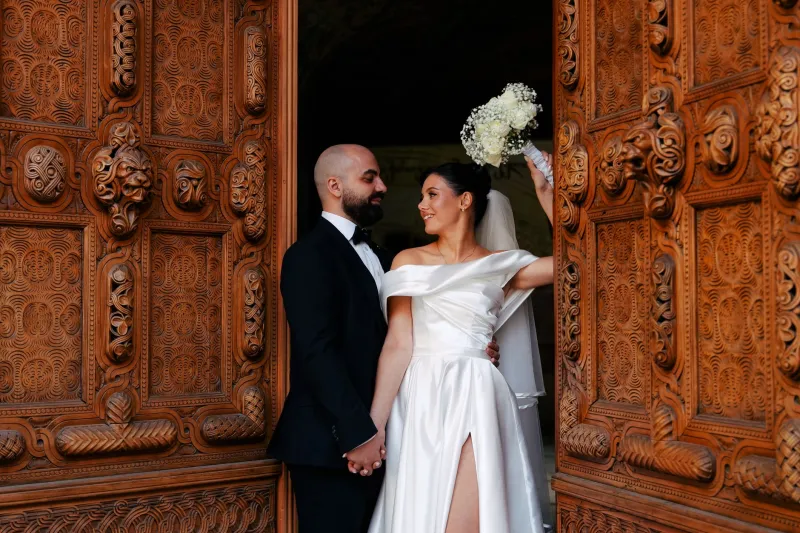
Weddings are already a group project. Add two countries, two languages and two very different ideas about when dinner should land, and you have the makings of a beautiful — if slightly chaotic — day. The good news is that you don’t have to choose one culture over the other. You need a plan that makes room for both, plus a few sensible compromises.
Start with the guest list, not the colour scheme
Before you fall down a Pinterest hole, talk numbers. Bulgarian families often expect a big celebration with late dancing and plenty of food. British families may expect a formal sit-down meal, a clear finish time and a Seat For Everyone They Know. Neither side is wrong; they are just working from different scripts.
Build three lists: must-have guests, nice-to-have guests and venue-capacity reality. Ask each set of parents to nominate one calm point person who can field questions from relatives. Then appoint a couple of bilingual cousins as cultural translators for the day. This is not about favouring one side. It is about making sure nobody spends the reception explaining why the dancing has not started yet.
If you are having kumovi, decide early what their role looks like in the UK. In Bulgarian tradition, kumovi are more than witnesses; they are sponsors and family-linked supports for the couple. In a UK legal ceremony you will also need two official witnesses. The same people can often do both jobs, but check the paperwork with your register office or celebrant first. If your kumovi are travelling from Bulgaria, give them the timetable in writing and a named person to call.
The legal bit and the ceremonial bit
UK wedding rules differ depending on where you marry, so check with your local register office early. In England and Wales, the legal ceremony is usually in English, and you cannot simply swap in a religious or cultural ritual instead of the legal vows. Many couples solve this by having the legal ceremony first — at a register office or licensed venue — and then a symbolic ceremony or blessing that carries the Bulgarian elements.
Keep the bilingual part short and intentional. A welcome in both languages, one reading in Bulgarian and one in English, and a printed order of service with translations will do more than a 20-minute running commentary. Ask your officiant or a confident friend to explain two or three customs in one sentence each. British guests generally appreciate context; Bulgarian guests appreciate not being treated like a theatre audience.
Timing matters. A legal ceremony might take 20 to 30 minutes; a symbolic ceremony another 20. Leave buffer time for photos, relatives and the inevitable hunt for a missing ring box. If you are moving between venues, be honest about UK traffic and parking. A tight schedule is the fastest way to turn a warm day into a logistics exercise.
Bread, salt and the kumovi
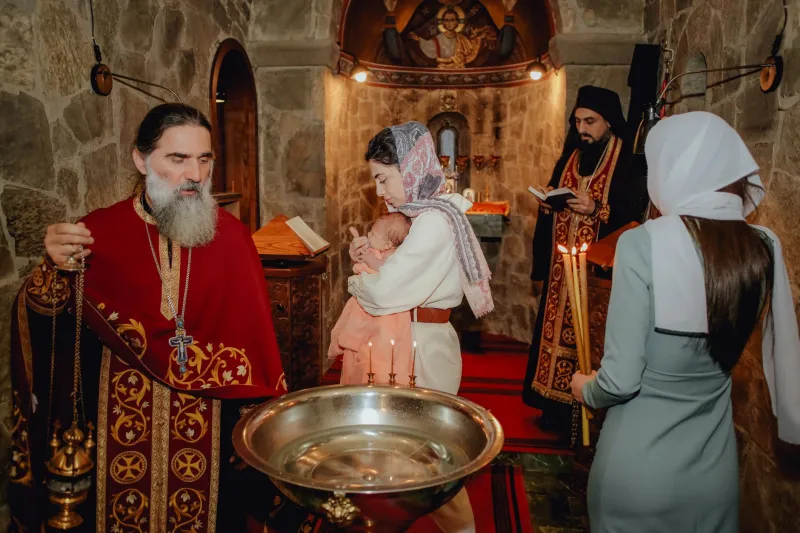
Bulgarian wedding customs vary by region and family. Ritual bread, salt, water, the kumovi’s blessing and the giving of gifts may all matter — or your family may care about only one of them. Ask grandparents and parents which traditions are non-negotiable, then choose two or three to do well rather than cramming in everything.
A small ritual bread can be blessed at a family dinner, in the garden or at the start of the reception. If your venue bans outside food — and many British venues do — ask before you bake. Some places will allow a ceremonial loaf to be brought in for a blessing but not served; others will not. Have that conversation early and have a backup plan.
Read the venue’s small print
British venues come with curfews, noise limiters, licensed bars, corkage rules and sometimes very specific ideas about confetti, candles and outside catering. Village halls, barns and pubs can be more flexible than grand hotels, but you need to ask the awkward questions: Can we extend the music past midnight? Is there a sound limiter? Can we bring our own rakia? Can we hang decorations? Is there step-free access for grandparents?
A venue that says yes to a late finish and a loud horo is worth its weight in gold. If the answer is no, plan around it. Put the Bulgarian music set earlier, move the emotional speeches before the noise curfew, and warn guests about transport. A clear timeline on a bilingual wedding website saves a hundred text messages.
Feed people, then feed them again
Food is where the two traditions can relax together. A welcome drink, a mix of Bulgarian mezze and British canapés, a main course that pleases both sets of grandparents, and a late-night plate of banitsa or something savoury will keep the dance floor alive. Label dishes clearly and ask about allergies in advance. Bilingual menus are a small touch that makes a big difference.
Budget-wise, spend on food and music and save on stationery. Digital invitations with a bilingual FAQ page are perfectly acceptable. A separate small kumovi dinner can honour the relationship without inflating the main wedding. And you do not need to hire both a folk ensemble and a string quartet to prove you respect both cultures.
Keep the dance floor full
Music is the easiest place to blend the day. Hire a DJ or MC who can move between Bulgarian pop-folk, Balkan brass and British floor-fillers without treating one as a novelty. Do not save the horo for the very end when half the British guests have left. Teach a simple horo early, invite people up, and let the confident dancers lead.
Speeches should be short, warm and translated in summary rather than word-for-word. A three-minute bilingual welcome beats a 20-minute relay of translation. If you want a ceilidh, a disco or a Bulgarian band, tell the venue and the DJ in advance. Surprises are lovely; surprise sound-limit violations are not.
A day that feels like both homes
The best Bulgarian-British weddings are not the ones that perform two cultures perfectly. They are the ones where both families feel included, fed and slightly surprised by how much they enjoyed the other side’s traditions. Keep the rituals you love, explain the ones that matter, and let the rest go. Your wedding is not a diplomatic summit. It is the first big project of a family with two homes — and it should feel like it.